

Confused About Ph.D. Admissions? Let's Simplify It. 💡
Deadlines, exam patterns, scholarship windows and course comparisons — explained by people who track this for a living, not aggregated from nowhere.
Weekly digest. No spam. Unsubscribe anytime.
8 Steps to CompleteYour PhD Program
Explorer PHD Program
Find PhD courses, subjects & research areas.
PhD Counselling & Guidance
Get guidance based on your qualification, subject & career goals.
Check PhD Eligibility
Understand eligibility, qualifications & admission requirements.
Choose the Right University
Compare universities, programs, fees, research areas & admission options.
PhD Admission & Application
Complete application, documentation & enrollment process.
Entrance Exam & Interview
Prepare for and excel in entrance exams and interviews.
Coursework, Research & Thesis
Complete coursework, conduct research and prepare your thesis.
Viva Voce & PhD Degree
Defend your research, complete final requirements and earn your PhD.
Begin Today
Ready to begin your PhD journey?
Get expert guidance, research support and mentorship throughout your doctoral journey.
Thesis Guidance & Academic Support
Complete academic guidance and research support throughout your PhD journey.

Entrance Exam Support

Topic Selection

Guide Selection
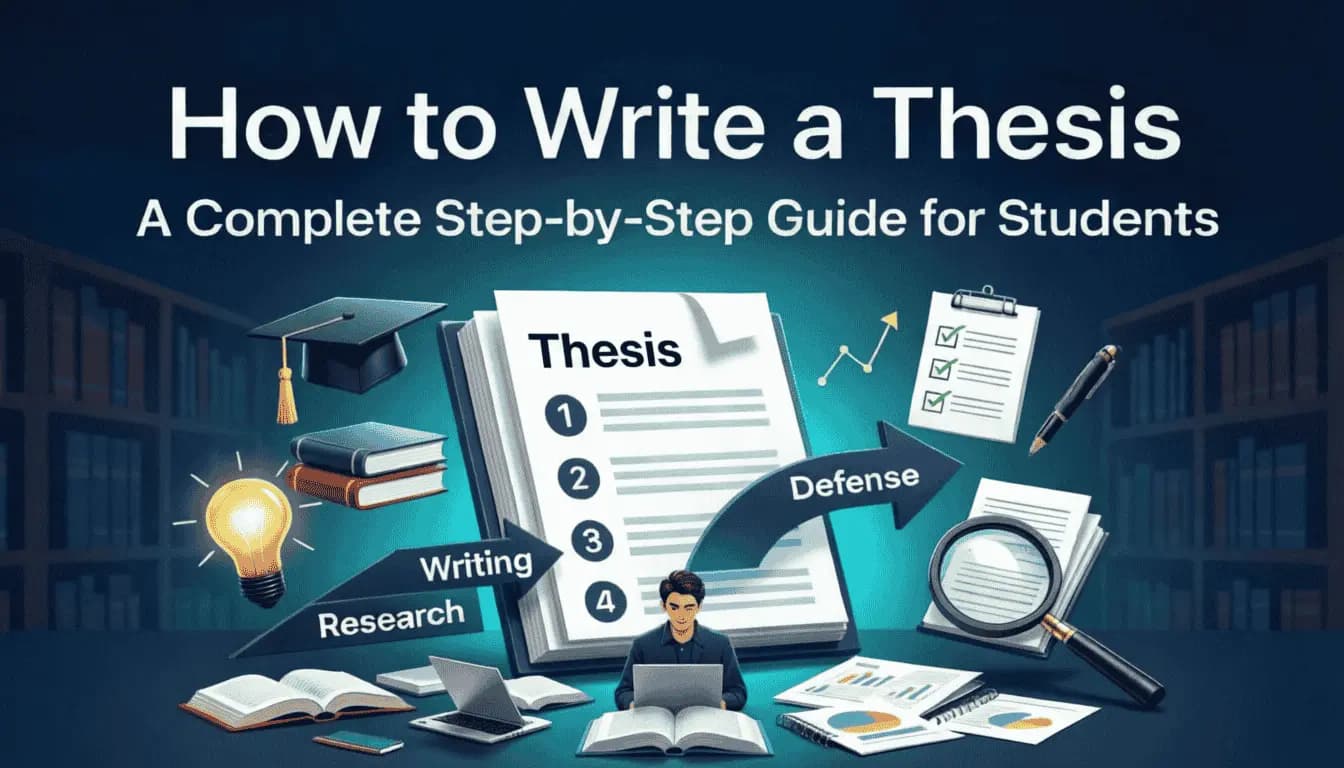
Synopsis Writing

Coursework

Coursework Exams

Assignment Writing

Article Writing Support

Publication Support

6 Months Report

Conference & Seminar

Thesis Writing Support

Thesis Presentation

Viva Voce
Latest Articles
Loading articles...
Talk to the Experts Who've Mentored Thousands
Connect with trusted mentors, advisors, and subject matter experts who bring years of experience and thousands of successful counselling sessions to guide your journey.



Trusted partners all over India
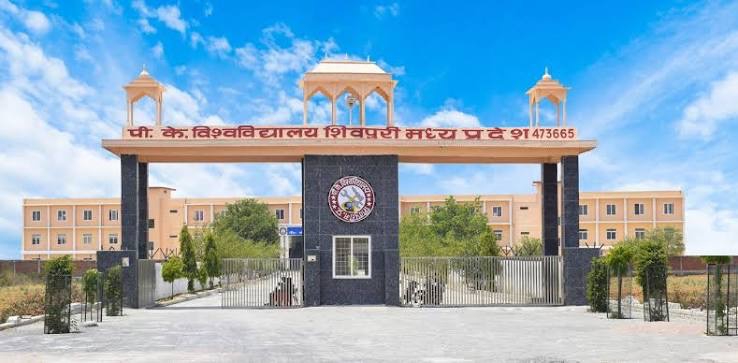
JAYOTI VIDYAPEETH WOMEN'S UNIVERSITY
Innovative private women's university providing interdisciplinary studies in technology, law, medical sciences, and management in an exclusive rural eco-friendly campus.
Frequently Asked QuestionsAbout PhD Admission in India
Get clear answers to common questions about eligibility, entrance exams, applications, research proposals, universities and the PhD journey in India.
Your PhD Journey,Simplified.
Everything you need to know before starting your doctoral journey — from admission and eligibility to research and thesis completion.
Tip: Always verify admission dates, eligibility and selection criteria from the latest official university notification.
The eligibility for PhD admission generally requires a qualifying postgraduate degree with the prescribed marks or equivalent grade in the respective or an allied subject. Eligibility criteria may differ based on the university, discipline and admission category. Candidates should always refer to the latest PhD admission notification issued by the respective university.
The general process for applying to a PhD programme involves selecting a suitable university and research area, checking the eligibility requirements, completing the university's application form, submitting the required documents and participating in the applicable entrance examination, interview or selection process.
PhD admission may be conducted through a university-level entrance examination or through admission routes available to candidates who qualify certain national-level examinations or fellowships. Under the UGC 2022 framework, universities may conduct an entrance test followed by an interview or consider candidates qualifying specified national-level examinations or fellowships through an interview-based process.
In certain cases, candidates who qualify specified national-level examinations or fellowships may be considered for PhD admission through an interview-based route. However, the applicable admission route, eligibility requirements and exemptions can vary between universities. Candidates should check the latest PhD admission notification of the university they wish to join.
Yes, working professionals may pursue a PhD if they meet the eligibility requirements and the respective university permits them to enrol under its applicable PhD regulations. Candidates should also check the university's requirements relating to attendance, coursework, research work, supervision and other academic obligations.
It depends on the university, discipline and proposed research area. Some universities may allow candidates from related or allied disciplines, while others may require a specific academic background. Candidates should carefully check the eligibility criteria of the particular PhD programme before applying.
Common documents required for PhD admission may include academic marksheets and certificates, postgraduate degree certificates, identity proof, photographs, category certificate where applicable, entrance examination or NET/JRF qualification documents where applicable, research proposal and other university-specific documents.
Candidates can compare PhD universities based on the availability of suitable PhD programmes, research areas, faculty and supervisor expertise, admission procedure, eligibility criteria, fees, academic and research facilities, university recognition and the requirements of their chosen discipline. The availability of suitable research supervision should also be considered before making a decision.
A general PhD admission process may include the following steps:
The exact admission process and sequence may vary between universities, disciplines and applicable PhD regulations.
A PhD research proposal describes the research problem or topic that the scholar intends to study. Depending on the university's requirements, it may include the research background, objectives, literature review, research questions, proposed methodology, scope of the study and expected contribution of the research.
After admission, scholars generally complete the prescribed coursework and research requirements under the university's supervision and advisory system. They then conduct their research, prepare and submit the thesis and complete the required evaluation and viva-voce process. Under the UGC 2022 regulations, a scholar must obtain at least 55% or equivalent in coursework to continue and submit the thesis.
The time required to complete a PhD depends on the applicable regulations, university rules, research progress and completion of the required academic milestones. The actual duration can therefore vary between programmes and scholars. Candidates should refer to the latest regulations and programme information provided by their chosen university.
UGC-NET is a national-level eligibility examination, while JRF refers to eligibility for Junior Research Fellowship under the applicable scheme. A PhD entrance examination is generally conducted by an individual university or institution for admission to its doctoral programmes. The applicable admission route, exemptions and selection criteria can differ between universities.
A PhD interview is generally conducted as part of the admission selection process and may assess a candidate's academic background, research interests, subject knowledge and proposed research area. The viva-voce takes place later as part of the thesis evaluation process, where the scholar presents and defends their completed research before the designated examiners or committee.
A PhD can provide opportunities in higher education teaching, academic research, research institutions, industry research and development, consulting, advisory roles, scientific organisations, policy-related work and other specialised professional fields. Career opportunities depend on the candidate's discipline, research expertise, experience and additional qualifications.
Candidates looking for the latest PhD admission information can explore AdmissionPhD.com for information related to universities, PhD programmes, eligibility requirements, entrance examinations, admission procedures and doctoral study opportunities. Candidates should always verify important dates, eligibility requirements and admission conditions through the official notification issued by the respective university before applying.
Still have questions about PhD admission?
Get personalised guidance based on your academic background, research interest and preferred university.
Talk to an Expert